Enhanced Processing, Stronger Parts, and Faster Production with LMPAEK™ Polymers
LMPAEK Properties Overview
LMPAEK™ Polymers, the newest addition to the renowned PAEK family engineered by Victrex. Crafted with precision at a molecular level, Victrex has tailored these polymers to offer enhanced processing capabilities, providing manufacturers with greater flexibility in processes like thermoplastic composites and additive manufacturing.
Retaining the impressive traits of PEEK, including exceptional mechanical strength, tribological performance, and resistance to high temperatures and chemicals, LMPAEK™ polymers also unlock the potential for faster manufacturing and fabrication of stronger parts using common manufacturing systems.

Temperature Resistance
Excellent high temperature performance:
- Melting Point (Tm) = 305ºC
- Glass Transition (Tg) = 153ºC (midpoint)
- V-0 Flammability rating

Chemical Resistance
Excellent resistance to a very wide range of chemicals over a range of temperatures, retaining high levels of mechanical strength and generally with little swelling or discolouration.

Mechanical Strength
Excellent strength, stiffness

Wear Resistance

Electrical Properties
Victrex materials are often used as an electrical insulator with outstanding thermal, environmental resistance and mechanical performance.

PFAS-Free
We do not intentionally add, use or generate PFAS during the manufacture of unfilled Victrex PEEK and PAEK polymers.

High Purity
Victrex materials are inherently pure with very small amounts of low molecular weight volatile organics, resulting in exceptionally low outgassing and extractables even in high vacuum environments.

Hydrolysis Resistant
Victrex high performance polymers are not attacked by prolonged exposure to water, sea water or steam which makes them an ideal choice for use in applications such as medical components, subsea equipment, and valve components.

Processability
Victrex materials are some of the highest performing materials melt processable using conventional thermoplastic processing equipment.

Recyclable
Due to its high molecular stability, LMPAEK polymers can be re-melted and reprocessed repeatedly with minimal change to its properties. This helps its environmental footprint and can ensure that waste material from manufacturing processes can be re-used economically.


Lower Melting Temperature
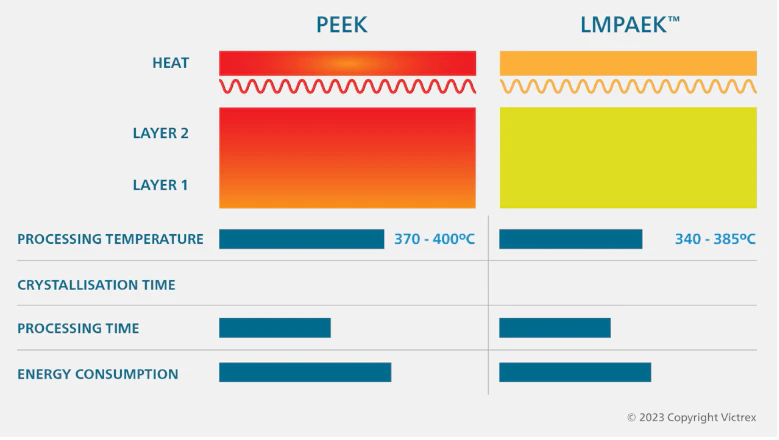
LMPAEK™ Polymer offers enhanced processing capabilities with a melting point approximately 40°C lower than standard VICTREX PEEK, allowing for more energy-efficient production.
This temperature reduction minimises thermal stress on equipment, reduces energy consumption, and enables better dimensional control while maintaining high-performance PAEK characteristics.

Ease of Processing
The wider processing window enables manufacturers to work with a broader range of temperatures without compromising the material's mechanical properties or performance.
As a result, LMPAEK™ polymers offer improved flexibility in manufacturing, making them ideal for complex designs and precision applications.
PEEK vs LMPAEK Processing video

Redefining Advanced Manufacturing
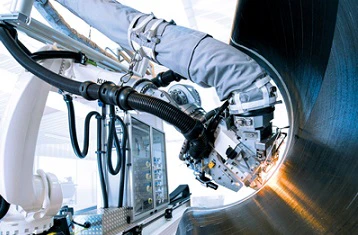
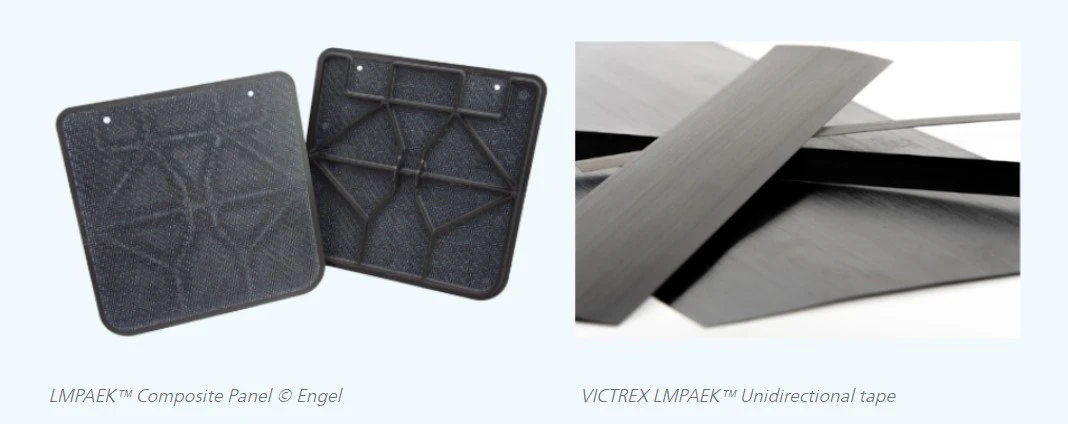
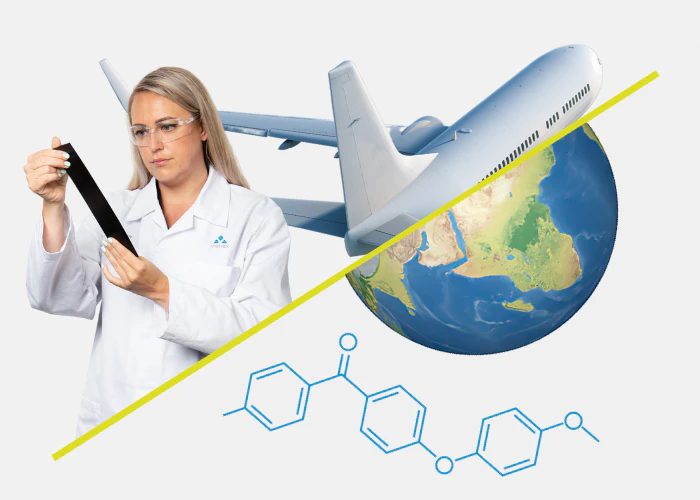
LMPAEK™ polymers advance composite and additive manufacturing by offering high performance, easy processability, and design versatility, driving innovation across industries like aerospace and automotive

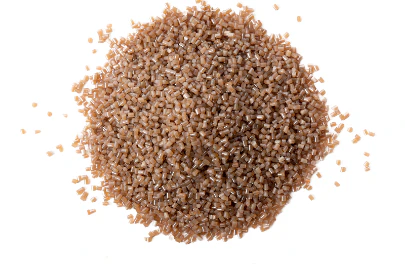
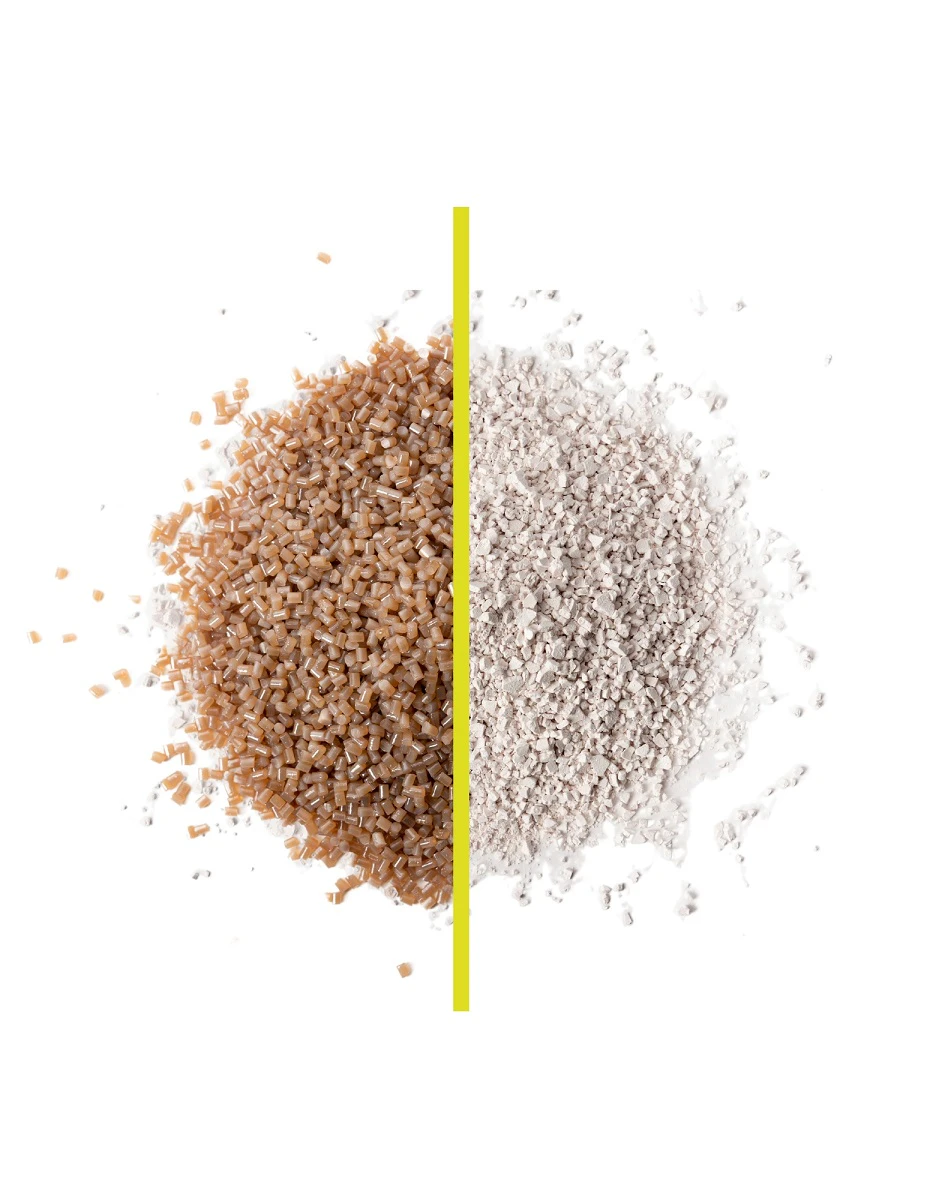
LMPAEK™ Polymer: Granules and Powders
- Composite Manufacturing
- Additive Manufacturing
Unlocking the Future of Aerospace with LMPAEK™ Polymers
Lightweight and High Mechanical Performance: LMPAEK™ polymers deliver the established advantages of composite materials, enhancing performance in aerospace manufacturing.
System Cost Reductions: Our advanced polymers help lower overall system costs through material efficiency and optimized processing.
Increased Production Throughput: LMPAEK™ polymers, particularly in thermoplastic unidirectional tapes, improve production speed, supporting high-volume manufacturing.
Ideal for Automated Processes: Thermoplastic tapes are perfectly suited for automated composite manufacturing, offering consistency and precision in production.
Paving the Way for Innovation: With LMPAEK™ polymers, aerospace manufacturers can achieve new levels of efficiency, leading to cutting-edge advancements in composite applications.
- Composite Manufacturing
- Additive Manufacturing
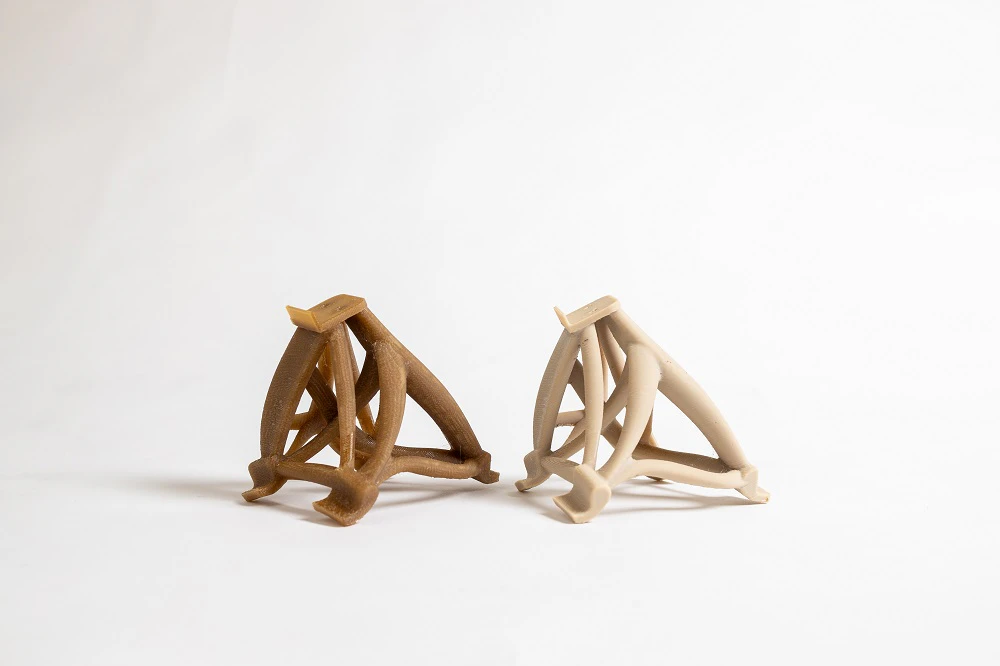
Discover New Possibilities in 3D Printing with LMPAEK™ Polymers
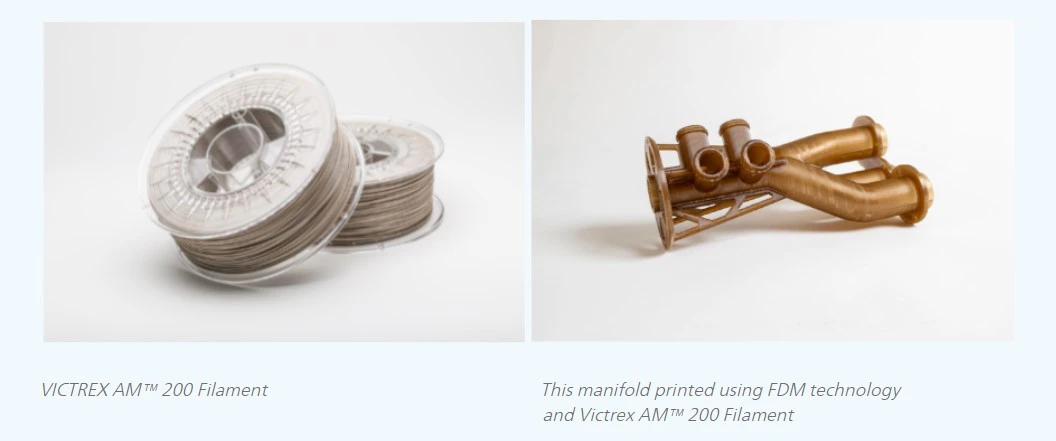
Overcomes Challenges with Traditional Materials: VICTREX AM™ 200 offers superior performance compared to PEEK and PEKK, ensuring better mechanical properties and print quality.
Less Warp, Stronger Parts: Achieve high-quality prints with reduced warping and enhanced part strength, boosting your manufacturing success.
Superior Z-Strength: Enjoy improved Z-axis strength, ensuring better layer adhesion and stronger, more durable 3D printed parts.
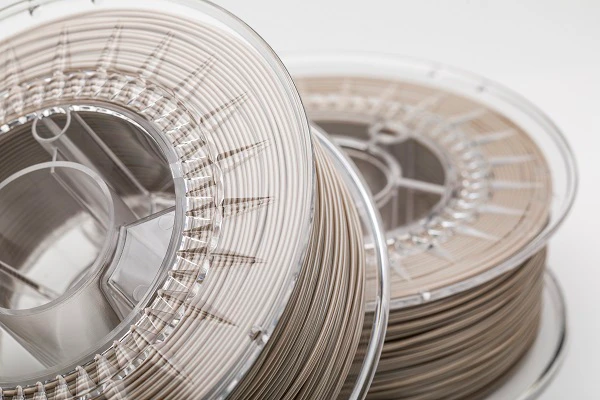
Available as a Filament: This breakthrough material comes in filament form, offering greater flexibility and compatibility for various 3D printing applications.
Enhanced Design Freedom: VICTREX AM™ 200 allows for more complex designs using soluble supports, giving you the freedom to innovate.
Learn how LMPAEK™ polymers are transforming industries

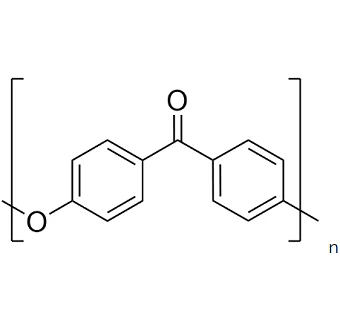
PEEK or PAEK? What's in a name?


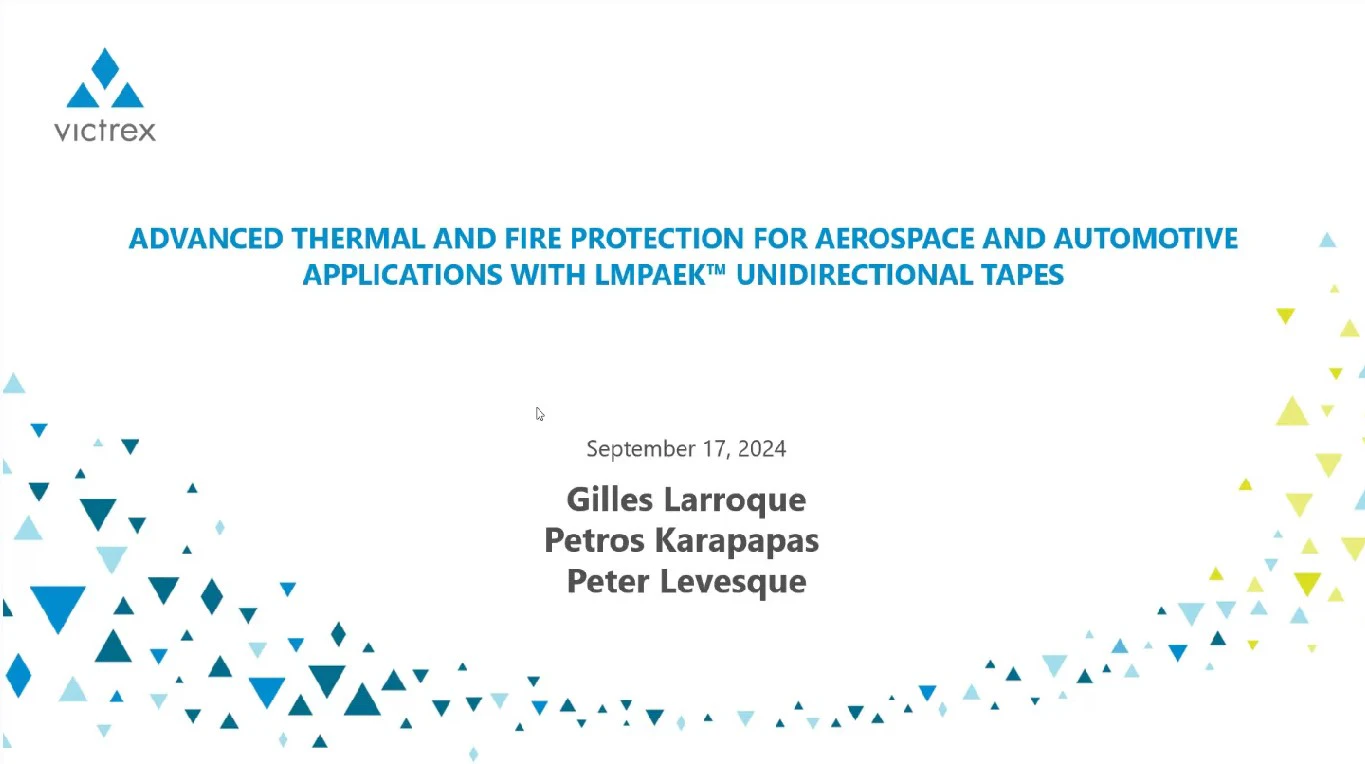
Advanced Thermal and Fire Protection for Aerospace and Automotive Applications With LMPAEKTM Unidirectional Tapes